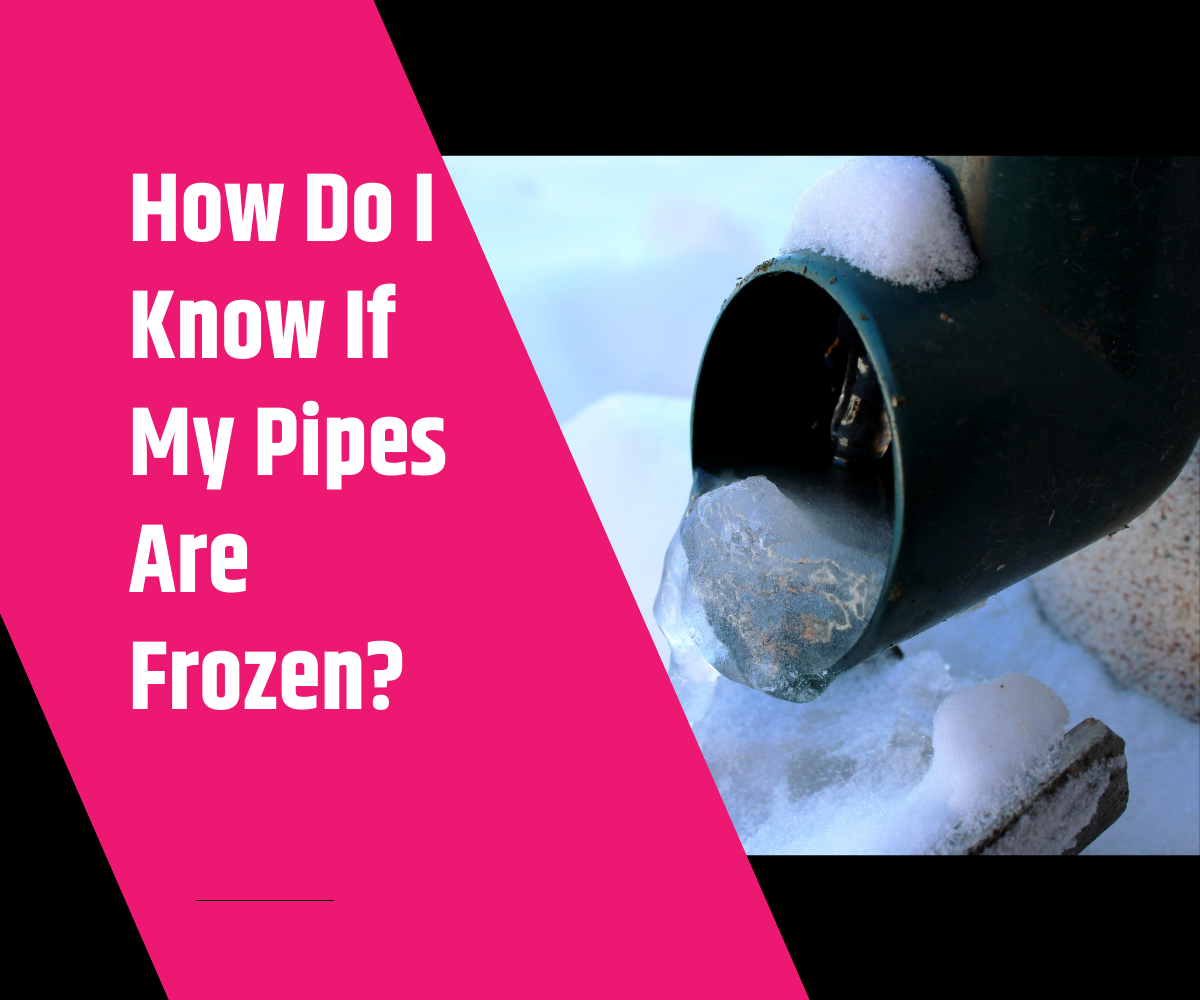
Winter has a quiet way of causing loud problems. One morning everything seems normal, and the next, you turn the faucet and nothing happens. That moment often leads homeowners to ask a stressful question: how do I know if my pipes are frozen? Frozen plumbing can quickly turn into burst pipes, water damage, and expensive repairs if not caught early. Understanding the warning signs gives you the power to act fast and protect your home before a small issue becomes a major disruption.
At Bowers Plumbing & Remodel, we help homeowners identify plumbing problems early and keep their systems running safely through the coldest months. This guide walks you through clear, practical signs to watch for, where frozen pipes usually hide, and when it’s time to call a professional plumber.
How Do I Know If My Pipes Are Frozen in Cold Weather?
One of the first clues that pipes may be frozen is a sudden change in water flow. When temperatures drop, water freezes inside plumbing pipes and blocks movement through the line. If you turn on a faucet and little or no water comes out, freezing could be the cause.
Frozen pipes rarely happen without warning. Often, the problem develops overnight when temperatures stay below freezing for hours. Homes with exposed pipes, older insulation, or plumbing running through exterior walls are especially vulnerable. Recognizing these early signals can help you find the issue before the pipe breaks.
Visible Signs of Frozen Pipes You Should Never Ignore
Some frozen pipes announce themselves in obvious ways. Others stay hidden until damage occurs. Paying attention to small details around your home can help you spot trouble early.
After checking multiple fixtures, homeowners often notice the same pattern repeating. You may see frost forming on a pipe, or water may only trickle out when you turn the tap fully open. These signs indicate water freezes somewhere along the line, restricting normal flow.
The most common warning signs include:
- Frost buildup on exposed pipes in basements or crawl spaces
- Very low water pressure or no water supply at all
- Unusual sounds like banging or whistling inside the walls
Catching these signs early can prevent frozen pipes from bursting and causing severe water damage.
Why Plumbing Pipes Freeze Inside Walls and Exterior Areas
Many homeowners assume frozen pipes only happen outside, but plumbing pipes inside walls are just as vulnerable. Pipes running along exterior walls or near unheated spaces lose warmth quickly. Once temperatures drop low enough, water freezes and expands, putting pressure on the pipe from the inside.
At Bowers Plumbing & Remodel, we often find frozen areas in garages, basements, crawl spaces, and near exterior hose connections. Poor insulation, air leaks, and lack of consistent heat allow pipes freeze faster than expected. Knowing where to look helps you find potential trouble spots before they become emergencies.
Checking Faucets and Water Flow for Frozen Pipe Clues
A simple check can reveal a lot. Turn on faucets throughout your home, starting with those closest to exterior walls. If one faucet works while another does not, the frozen pipe is likely located between the two points.
When you turn on a faucet and only a small trickle comes through during near or below freezing temperatures, it often means ice is blocking part of the pipe. This is one of the clearest answers to ‘How do I know if my pipes are frozen?’ At this stage, the pipe has not fully burst, but pressure is building.
Bowers Plumbing & Remodel advises homeowners to keep faucets slightly open during extreme cold to reduce pressure and allow water movement.
Frost, Unusual Sounds, and Other Hidden Warning Signs
Not all warning signs are visual. Frozen pipes can make themselves known through sound. As water freezes and expands, it can cause creaking, knocking, or unusual sounds within the walls or ceilings.
Frost appearing on water pipes is another clear indicator. This is especially common on exposed pipes in unheated spaces. If you see frost forming, the pipe is already at risk of breaking. Acting quickly can save you from needing major plumbing repairs later.
Where to Find Frozen Pipes in Your Home Plumbing System
Knowing where to look is half the battle. Frozen pipes tend to form in predictable places, especially in homes with older plumbing layouts.
Common locations include:
- Pipes near exterior walls and windows
- Exposed pipes in basements or crawl spaces
- Water lines running to outdoor faucets
- Areas near the main water meter or main valve
At Bowers Plumbing & Remodel, our plumbers are trained to find frozen pipes quickly using safe inspection methods, helping homeowners avoid unnecessary wall damage.
What Happens When Pipes Freeze and Water Expands
When water freezes, it expands with incredible force. This expansion puts intense pressure on plumbing pipes, often causing cracks or complete breaks. Many homeowners assume the pipe bursts where ice forms, but damage often occurs slightly away from the frozen area where pressure builds.
Once the ice melts, water rushes through the damaged pipe, leading to flooding, wall damage, and ruined flooring. This is why frozen pipe issues should never be ignored. Timely plumbing repair can mean the difference between a minor fix and a full pipe replacement.
When to Call a Plumber for Frozen Pipe Repairs
If you suspect frozen pipes but cannot find the frozen area, it’s time to call a professional plumber. Attempting to open walls or apply direct heat without experience can cause more harm than good.
Bowers Plumbing & Remodel provides expert plumbing repairs, safe thawing methods, and long-term solutions to protect your home. Our team handles everything from frozen pipe repair and replacement to full installation upgrades that prevent future freezing issues. We also inspect related systems like drains, sewer lines, and water heaters to ensure your entire plumbing system remains protected.
Preventing Frozen Pipes Before Winter Strikes
Prevention is always easier than emergency repair. Simple steps can significantly reduce the risk of frozen pipes in your home.
Insulating exposed pipes, sealing air leaks, and keeping consistent heat throughout the house are effective measures. During extreme cold, allowing a small flow of water through faucets helps prevent freezing. Bowers Plumbing & Remodel often recommends professional inspections before winter to identify weak points in your plumbing system and make proactive improvements.
Contact Us
Cold weather should not leave you guessing about your plumbing. If you suspect frozen pipes or want peace of mind before winter hits, contact Bowers Plumbing & Remodel today. Our experienced plumbers are ready to find the problem, protect your home, and restore your water supply with confidence and care.