What Does a Sump Pump Look Like? A Homeowner’s Guide
If you have ever wondered, ‘What does a sump pump look like?’, you are not the first. Many homeowners in Western Washington walk past this device installed in the lowest part of the basement or crawl space without realizing its purpose. Knowing what a sump pump looks like can help you protect your home from water damage before it becomes a serious structural issue.
In Pierce, King, Thurston and Kitsap Counties, heavy rainfall and high groundwater levels frequently lead to water collecting in a sump basin or sump pit. A properly sized sump pump system is designed to keep your basement and crawl space dry. At Bowers Plumbing & Remodel, we help homeowners identify, install, and maintain sump pumps that are built for Washington’s wet climate.
What Does a Sump Pump Look Like in Washington Homes?
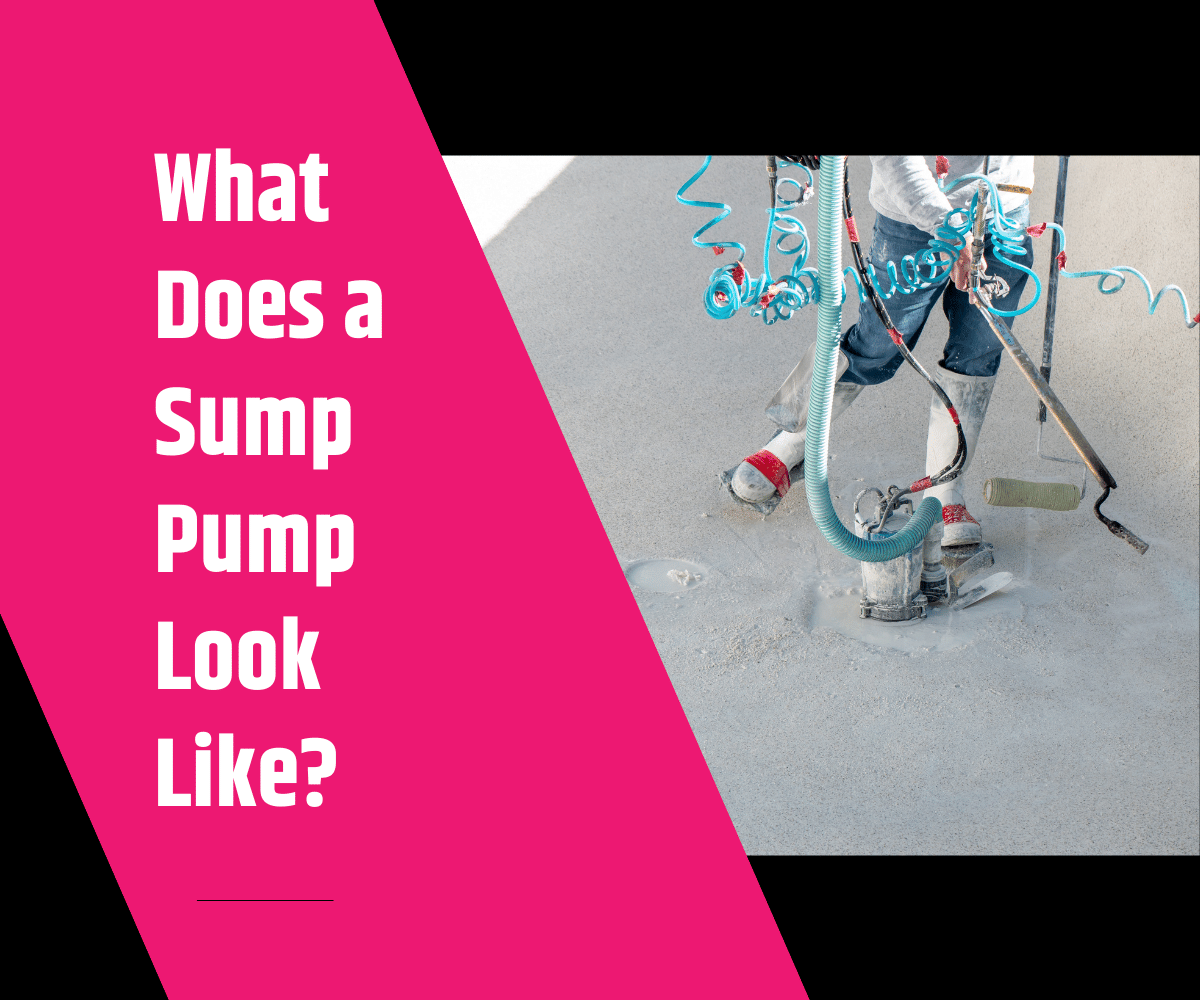
When people ask ‘What does a sump pump look like?’, they are usually describing one of the two main types of sump pumps found in a basement or crawl space: a submersible sump unit or a pedestal sump model. Both types are installed inside a sump basin and connect to a discharge pipe that carries water away from the home.
The Main Parts of a Sump Pump System
A complete sump pump system includes several essential components working together to remove water safely:
- Sump pit or sump basin installed in the lowest part of the basement floor
- Submersible sump pump or pedestal sump pump installed inside the hole
- Pump switches that control activation
- Tethered float or vertical float switch mechanism
- Discharge pipe that directs water outside
- Check valve to prevent backflow
- Battery backup system for power outages
The sump pit collects water from the surrounding soil. When water rises, the pump switch activates the pump. This pump system then pushes water through the pipe and away from the foundation walls to prevent damage.
What Does a Submersible Sump Pump Look Like?
A submersible sump pump is the most common pump installed in modern Washington homes.
- It is a sealed cylindrical pump sitting inside the sump basin.
- The motor and pump switches are enclosed in a waterproof housing.
- It typically rests at the bottom of your sump pit.
- In many finished basement spaces, it is hidden under a removable lid.
This type of submersible sump unit operates underwater when the sump basin fills. Because the motor is sealed, it is designed to handle continuous water exposure while keeping the basement dry.
Submersible sump pumps are preferred because they are quieter and protect the motor from debris inside your sump pit.
What Does a Pedestal Sump Pump Look Like?
A pedestal sump pump has a visibly different design.
- The motor sits above the sump basin.
- A narrow pipe extends down into the sump pit.
- The pump switches are mounted higher above the water level.
This pedestal sump configuration allows easier access for maintenance and repair. In unfinished basement or crawl space areas, you can clearly see the motor standing upright above the hole in the floor.
While pedestal sump pumps are often less expensive, they may be slightly louder than submersible sump pumps because the motor is exposed.
What Does a Sump Pump Look Like in Basements and Crawl Space Areas Across Pierce, King, Thurston & Kitsap Counties?
The appearance of a sump pump depends on whether it is located in a basement or crawl space.
Basement Installations
In many homes throughout Tacoma, Seattle, Bellevue, and Puyallup, sump pumps are installed in the basement floor. You may notice:
- A round or square lid covering your sump pit
- A discharge pipe running vertically along the basement walls
- A nearby electrical outlet providing power
- A battery backup box mounted above the basin
In a finished basement, the sump basin may be flush with the flooring, making the pump system less visible but still fully functional.
Crawl Space Installations
In Olympia, Lacey, Silverdale, and Bremerton, sump pumps are frequently installed in the crawl space. In these areas, you may see:
- A plastic sump basin set into gravel
- Vapor barrier systems surrounding the sump pit
- A discharge pipe exiting through the foundation
Crawl space installations are critical because standing water can quickly damage insulation and wooden supports. A properly installed sump pump keeps this space dry and prevents long term structural damage.
Outdoor Discharge Setup
Every sump pump system includes an exterior discharge pipe. This pipe directs water several feet away from the foundation. Proper routing ensures water does not return to your sump basin or pool near basement walls.
How Does a Sump Pump Work?
Understanding what does a sump pump look like is helpful, but knowing how the pump system operates is just as important.
Step by Step Process
- Groundwater flows into the sump pit, which is located in the lowest part of the basement or crawl space.
- As water rises, the tethered float or pump switch rises with it.
- The pump switches activate the motor.
- The sump pump pushes water up through the discharge pipe.
- The check valve prevents water from flowing back into your sump basin.
This automatic process repeats whenever water enters your sump pit.
Why Sump Pumps Are Important in Western Washington
Washington’s climate creates constant water pressure around foundations.
- Heavy rainfall in Pierce and King Counties increases groundwater levels.
- High water tables in Thurston County can fill your sump basin quickly.
- Coastal moisture in Kitsap County often affects crawl space conditions.
Without properly functioning sump pumps, water can accumulate and cause serious water damage to flooring, walls, and framing. Over time, repeated water exposure can lead to mold, structural damage, and expensive repairs.
What Are the Signs You Have a Sump Pump?
If you are unsure whether your home has a sump pump system, look for:
- A visible sump pit lid in the basement floor
- A vertical pedestal sump motor
- A discharge pipe exiting the foundation
- A nearby power outlet
- A battery backup unit
If you see a sealed basin in the lowest part of your basement or crawl space, you likely have a sump pump installed.
What Are the Signs Your Sump Pump Needs Repair?
Sump pumps are mechanical devices and require regular maintenance.
Common warning signs include:
- Loud noises from the pump motor
- Continuous cycling of pump switches
- Failure to remove water during storms
- Rust buildup inside the sump basin
- Standing water in your sump pit
If your sump pump does not keep your basement dry, professional service is recommended immediately to prevent damage.
How Much Does Sump Pump Installation Cost in Washington?
Average Cost in Pierce, King, Thurston & Kitsap Counties
The cost to install sump pumps typically ranges depending on:
- Whether the pump installed is submersible sump or pedestal sump
- Basement versus crawl space excavation
- Electrical power requirements
- Permit considerations
More complex pump system installations may increase overall cost.
Factors That Affect Cost
- Types of sump pumps selected
- Additional battery backup system
- Drainage pipe length and routing
- Labor required to create the sump pit hole
Each home has unique soil and water conditions that influence installation pricing.
What Type of Sump Pump Is Best for Washington Homes?
Submersible vs Pedestal Comparison
Submersible sump pumps are generally more durable and quieter. Pedestal sump pumps provide easier motor access and lower upfront cost. Both types rely on reliable pump switches and float mechanisms to operate efficiently.
Battery Backup Systems for Storm Protection
Power outages are common during storms. A battery backup ensures your sump pump continues operating when main power fails. Backup systems reduce the risk of water damage during heavy rainfall.
How Long Does a Sump Pump Last?
In Washington’s damp climate, sump pumps typically last 7 to 10 years. Lifespan depends on:
- Frequency of water accumulation
- Maintenance practices
- Quality of the sump pump system
- Debris levels inside your sump pit
Regular maintenance can extend the life of your pump and reduce damage risk.
Why Choose Professional Sump Pump Services in Pierce, King, Thurston & Kitsap Counties?
Proper Sizing for Your Home
Professional plumbers evaluate:
- Basement square footage
- Crawl space moisture conditions
- Water table levels
Correct pump system sizing ensures effective water removal.
Code Compliant Installation
Washington plumbing codes regulate how sump pumps are installed. Proper discharge pipe placement and safe power connections are essential.
Prevent Costly Water Damage
Professional installation helps:
- Protect basement walls
- Prevent crawl space mold
- Avoid foundation damage
- Reduce long term repair costs
Sump Pump Maintenance Tips for Washington Homeowners
Seasonal Inspection Checklist
- Test pump switches and tethered float movement
- Remove debris from your sump pit
- Inspect discharge pipe for blockage
- Check battery backup charge
Routine maintenance keeps your sump pump operating efficiently.
When to Call a Professional Plumber
- Repeated basement flooding
- Pump failure during storms
- Unusual vibration or burning smell
Early service prevents extensive damage.
Serving Pierce, King, Thurston & Kitsap Counties
Bowers Plumbing & Remodel proudly installs and services sump pumps throughout Pierce County, King County, Thurston County and Kitsap County.
Frequently Asked Questions About Sump Pumps
What does a sump pump look like compared to a sewage pump?
A sump pump is smaller and designed to remove groundwater from a sump basin. A sewage pump handles waste and solids and is typically installed in a different type of basin.
Can I install a sump pump myself in Washington?
DIY installation is possible but not recommended. Professional installation ensures proper sump pit placement, safe power connections, and compliance with local codes.
Do all homes in Western Washington need a sump pump?
Not every home requires one, but homes with basements or crawl space areas in high water table regions benefit greatly from sump pumps.
Where is a sump pump usually located?
A sump pump is installed in the lowest part of the basement or crawl space inside a sump pit.
How often should a sump pump be replaced?
Most sump pumps should be replaced every 7 to 10 years depending on usage and maintenance.
Schedule Sump Pump Service with Bowers Plumbing & Remodel
Bowers Plumbing & Remodel provides professional sump pump installation, repair, and maintenance services throughout Pierce, King, Thurston and Kitsap Counties. Our licensed plumbers understand Washington soil conditions and groundwater challenges.
We ensure each pump system is properly sized, safely connected to power, and routed to discharge water several feet away from your home’s foundation. Whether you need a new pump installed, a battery backup upgrade, or emergency service, our team is ready to help.
Contact Bowers Plumbing & Remodel today to schedule an inspection and protect your basement or crawl space from costly water damage before the next heavy storm.